 by in
by in
Yu-Gi-Oh! monsters have changed and evolved over time side-by-side the game’s mechanics. Some monster classifications have come and gone, while others have remained staples in today’s game. Let’s take a look at the different classifications, abilities, and subtypes of Yu-Gi-Oh! monsters and see what makes them unique!
In Yu-Gi-Oh!, there are many different types of monster cards. A monster “type” – with a lowercase “t” – refers to a monster’s primary classification as a form of monster card. This is also commonly called a monster’s Category. These categories are: Normal, Effect, Non-Effect, Ritual, Fusion, Synchro, Xyz, Pendulum, Link, and sometimes Trap Monster. Ritual, Pendulum, and Extra Deck monsters will always have at least two Categories, such as “Xyz/Effect” like Dark Rebellion Xyz Dragon, or “Pendulum/Normal” like Dragonpulse Magician. Non-Effect monsters are unique, as they are not categorized as Normal. Non-Effect monsters are Ritual monsters or Extra Deck monsters that do not have an effect, such as Magician of Black Chaos, Blue-Eyes Ultimate Dragon, or Gem-Knight Pearl. Non-Effect is different from Normal in that they cannot be Normal Summoned or Set even though they have no effect limiting their summoning aside from their summoning mechanic.
When “Type” – with a capital T – is mentioned in reference to a monster, it is referring to its Monster Type, such as Spellcaster, Dragon, Warrior, Plant, Beast, etc. This could be considered the secondary classification of a monster. Many cards and effects are based on a monster’s Type, such as Magicians’ Defense or Copy Plant.
With “type” and “Type” out of the way, let’s move on to monster card Abilities. Many monsters have the distinction of having Abilities. Now, Abilities are different from effects. In simple terms, a monster’s effect is what it does, whereas a monster’s Ability is how a monster behaves. Abilities are tied to unique game mechanics surrounding certain monster card behaviors or functions. Monster card Abilities are: Tuner, Gemini, Flip, Toon, Union, Spirit, and Special Summon. What does this mean, and why should players care?
Well, it’s helpful to know what these Abilities are and how they function, both when playing with these cards and against them. Let’s take a look.
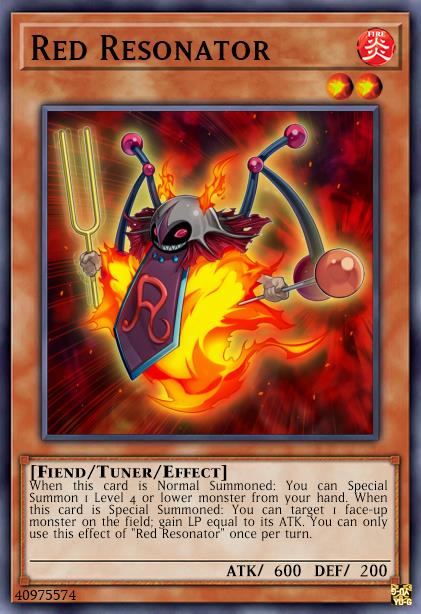
Tuner: Tuners are a very popular kind of monster and are essential for Synchro Summoning. You can’t Synchro Summon without a Tuner! To Synchro Summon a Synchro Monster from your Extra Deck, one or more Tuners are required as part of the materials used to bring out the monster. Red Resonator, Roxrose Dragon, and Tune Warrior are all examples of Tuners.
https://duelingnexus.com/wiki/Dark_ValkyriaGemini: Gemini monsters are a subset of monsters that are treated as Normal Monsters on the Field, but can gain Effects when Normal Summoned again while already on the field. Sounds weird, right? A little, but, there are entire archetypes and strategies that capitalize on these monsters. Examples of Gemini monsters include Phoenix Gearfried, Blazewing Butterfly, and Dark Valkyria.
Flip: Flip, or FLIP, are Flip Effect Monsters, and these have been around for a long time in Yu-Gi-Oh! Flip Effect Monsters have somewhat disappeared from Yu-Gi-Oh!, as they are often slower cards to work with, and only activate their effects when they are Flip Summoned or flipped face-up due to being attacked or by a card effect. Even so, many rogue strategies still use Flip Monsters. Old cards like Man-Eater Bug and Reaper of the Cards are Flip Monsters, and the Subterror and Prediction Princess archetypes also make full use of Flip Monsters.
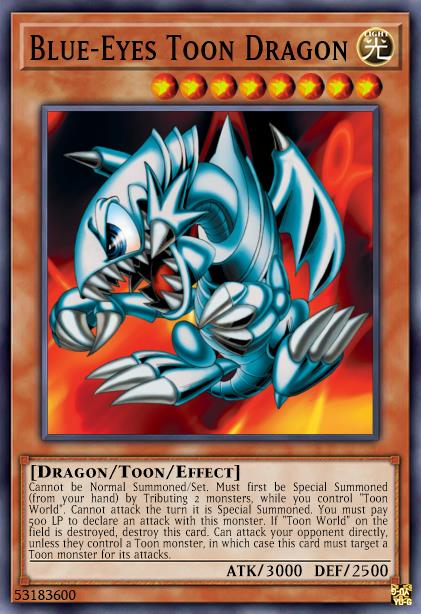
Toon: Famously used by Pegasus in the Yu-Gi-Oh! manga and anime series, Toon Monsters are a unique and often overlooked monster Ability. Toon Monsters are generally quite bad, and are mostly a gimmick. Even so, some Toon Monsters still see play. The main “mechanic” surrounding Toons is the use of the Field Spell card Toon World. Without this card, Toons are useless. Many classic monsters have been retrained into Toon Monsters like Toon Harpie Lady, Blue-Eyes Toon Dragon, and Toon Buster Blader.
Union: Union cards are special in that they function similarly to Equip Spell cards. These monsters can equip and unequip themselves to other monsters and empower or enhance those other monsters in some way. Union is another old game mechanic that has fallen out of favor due to shifts in the game. Union cards include Z-Metal Tank, Freezing Beast, and Machina Gearframe.
Spirit: Spirit Monsters are interesting, and they have an interesting mechanic, too! All Spirit Monsters have the shared ability to return themselves to the hand during the End Phase of the turn they are summoned. Unfortunately, many Spirit Monsters lack powerful enough effects to make up for the fact that they do not stick around on the Field. And, sadly, most support for Spirit Monsters is aimed at bypassing their unique mechanic rather than supporting the mechanic. Even so, Spirit Monsters still see play from time to time, but they have largely fallen out of favor. Examples of Spirit Monsters: Shinobird Crane, Amaterasu, and Gishki Emilia.
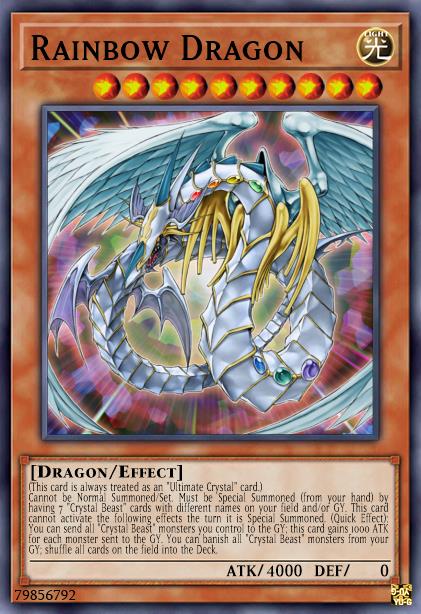
Special Summon: Technically, Special Summon is an Ability, though it is not listed on monster cards in the same way as other Abilities. Special Summon monsters are Main Deck monsters that cannot be Normal Summoned or Set and can ONLY be Special Summoned by their own effects. While Ritual Monsters are Main Deck monsters that cannot be Normal Summed or Set, the difference is that Ritual Monsters do not summon themselves by their own effect like a Special Summon Monster does. Look at cards like Yubel – The Ultimate Nightmare, Rainbow Dragon, and Eater of Millions.
As of the time of this article’s publication, this is it for Monster Card Abilities! But, as Yu-Gi-Oh! continues to change and evolve, more will surely come! (Some of the information in this article may differ from other similar sources, as an “official” universal ruling or guide on this subject does not necessarily exist)