 by
by Overview
The game of Yu-Gi-Oh! Operates on a few basic mechanics, but these “basic” mechanics can actually become quite complex when examining them closer. The card game has been around since its OCG release in 1999, and since then, well over 10,000 cards have been released. With every card release, the interaction pool expands exponentially! And not only has the game introduced new cards, new mechanics are added to the game over time as well, complicating things even more! And, when looking even closer, the “grammar” of card text has also evolved over time. That’s what we’re looking at today! As all savvy duelists know, card text means everything.
The way a card’s text is presented, worded, and ordered can make a HUGE difference in how a card works and interacts with other cards. In Yu-Gi-Oh!, the card text operations, clauses, and word choice make all the difference. This article is aimed at one of the most important text distinctions in the game: “if” vs. “when.” These two simple words have vastly different impacts on how cards activate their effects, how those effects interact with other cards, and how the order in which effects resolve.
Timing and Cains
Yu-Gi-Oh! uses a mechanic known as “chains.” Since cards can be activated in response to other card activations, or alongside other card effects, chains are created to help resolve each effect in the correct order of operations. Depending on the order in which card effects resolve can completely change how a chain plays out. There’s also “spell speed,” but we won’t get into that here.
Let’s take a look at some different, very important distinctions when it comes to card effects interaction and timing. Because in Yu-Gi-Oh!, timing is crucial! If you “miss the timing” of a card, your efforts can be for nothing.
“Missing the timing” is a common Yu-Gi-Oh! phrase that refers to a card effect being nullified because of the way in which cards interact, and the order in which they do. Missing the timing usually comes down to how card text is worded. This is where “when” and “if” come into play. If a card effect is worded using “when,” there is the possibility that you could miss the timing, and your card will not be able to use its effect.
“If” Effects
Let’s start with “if” effects. For a card that uses “if” for its activation or effect, the timing cannot miss, because the requirement for the effect is “if” X occurs, not “when” X occurs. “If X happens, Y happens.” Let’s take a look at Blue Dragon Summoner to visualize this.
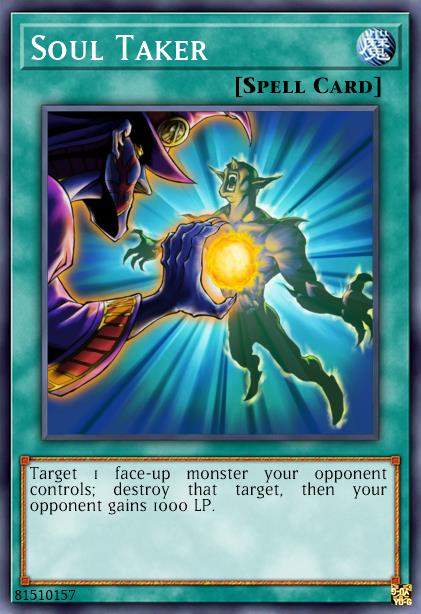
Blue Dragon Summoner’s effect states: “If this card is sent from the field to the GY: You can add 1 Dragon, Warrior, or Spellcaster Normal Monster from your Deck to your hand.” In this example, “if” the card is sent from the field to the GY, you can add one of the appropriate cards to your hand. All that this effect requires is “if” it is sent from the field to the GY. It does not matter when this occurs, just that it occurs. For example: if your opponent uses Soul Taker (a card notorious for making cards miss their timing) to destroy your Blue Dragon Summoner: your card is sent to the GY, you gain 1000 LP, and then you can add 1 Dragon, Warrior, or Spellcaster Normal Monster from your deck to your hand. However, if the effect is “when” and not “if” the situation would resolve very differently.
“When” effects
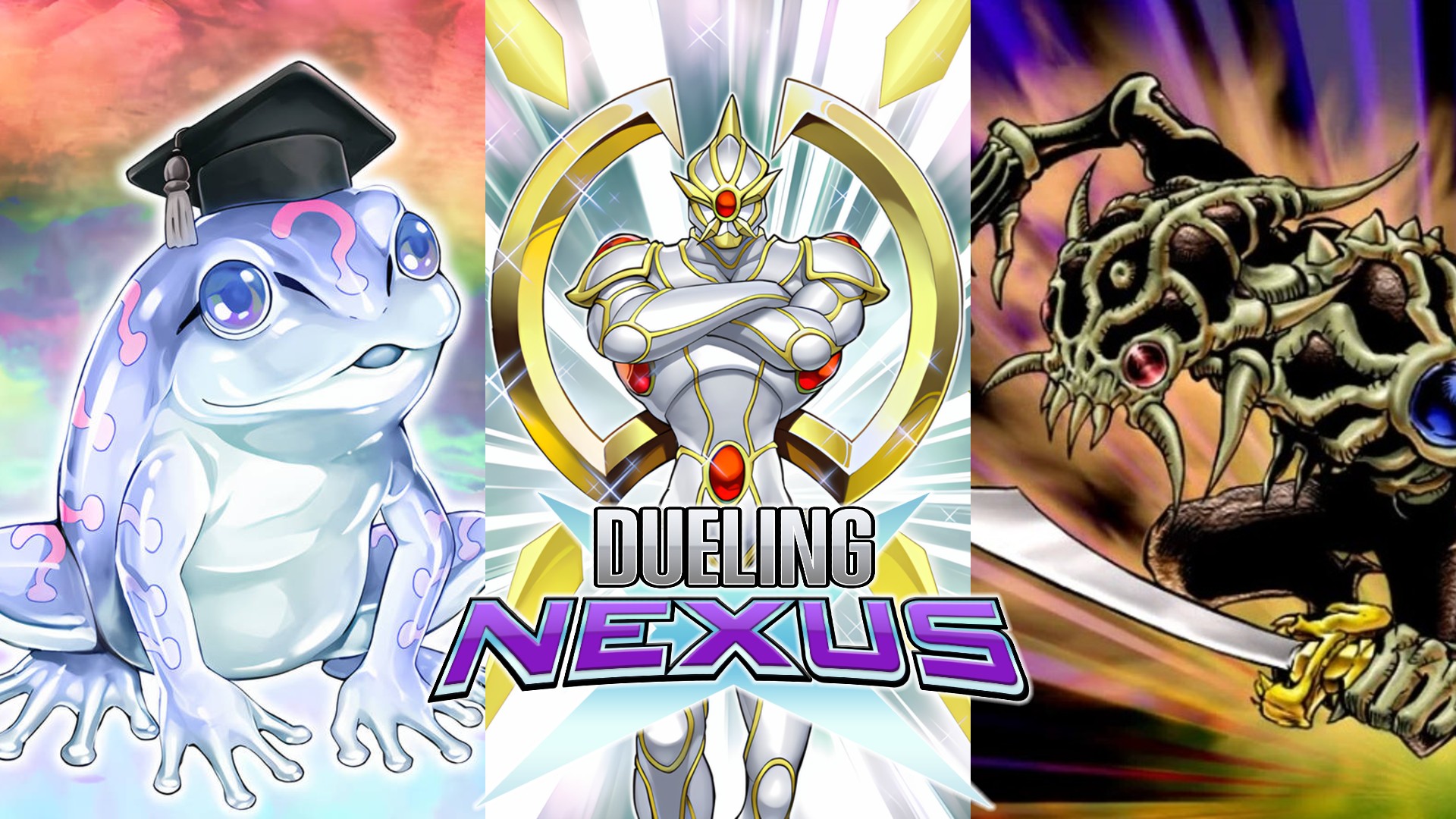
Say, instead of Blue Dragon Summoner, you control Elemental HERO The Shining. The Shining has an effect that states: “When this card is sent from the field to the Graveyard: You can target up to 2 of your banished ‘Elemental HERO’ monsters; add those targets to your hand.” If your opponent destroys your Elemental HERO The Shining with Soul Taker, the effect of your The Shining will miss its timing, and you will not be able to use its effect. Why not? Because it is a “when” effect not an “if” effect.
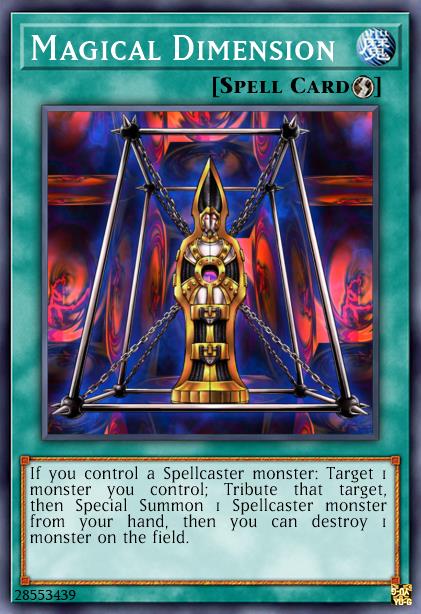
Remember when we talked about chains? This is why. “When” effects can only be fulfilled if the condition is the last thing to happen in a chain. If the chain disrupts the order of things, “when” effects will miss the timing and the effect will not activate. In the above example, the wording of Soul Taker is the key. Soul Taker states: “Target 1 face-up monster your opponent controls; destroy that target, then your opponent gains 1000 LP.” The important word here is “then.” The destruction effect happens, THEN the LP gain. The conjunction “then” means that the destruction and the LP gain are separate actions, even though these two actions are still part of the same chain. So, if Soul Taker is used to destroy Elemental HERO The Shining, the last action to occur is the LP gain, not the destruction, and since The Shining’s effect happens WHEN it is sent from the field to the GY, the timing is missed. In this example, the last thing to happen is the LP gain, not The Shining being sent to the GY. Since The Shining’s effect MUST be the LAST action to happen, Soul Taker makes The Shining miss the timing.
If Elemental HERO The Shining is destroyed in a different way, say with Dark Hole, the timing would not miss. Even if The Shining were destroyed with Magical Dimension, a card like Soul Taker that uses “then,” The Shining’s effect would still activate, since with Magical Dimension, the destruction effect is the last action in the chain. This is a simple example of how “missing the timing” can occur. But, there is another point to mention: mandatory effects.
Mandatory Effects
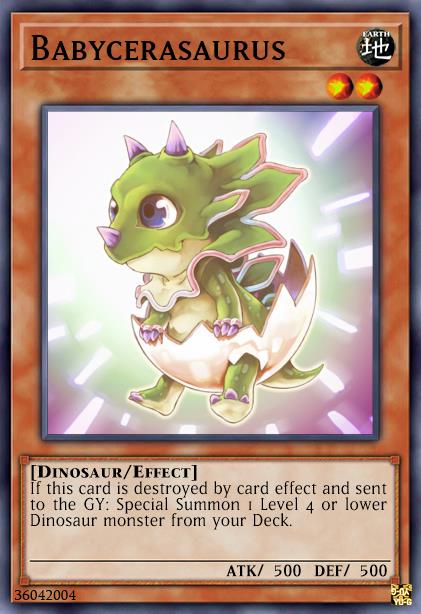
Some cards like Babycerasaurus have a mandatory effect, meaning, its effect MUST occur and you cannot choose not to (unless it is impossible for the effect to take place). Many cards have effects that are worded “if X, YOU CAN Y.” Look at Babycerasaurus vs. Giant Rex. Giant Rex has an effect that gives you the choice to activate its effect whereas Babycerasaurus does not give you the choice.
Interestingly, there are some cases in which a “when” effect is actually mandatory, like the effect of Goblin Zombie, which has undergone a few erratas to clear up its unique card text. It is important to note that a mandatory “when” effect MUST also resolve if the conditions can be met, and it cannot miss timing.
Understanding how “when” effects vs. “if” effects work can help you understand the complex card interactions in Yu-Gi-Oh! It can help you understand how you miss the timing of your card effect, and can also help you to know how to force your opponent to miss the timing of their effects, too!