 by in
by in
Overview
Censorship of media is not new and it can be a hot topic, and when it comes to Yu-Gi-Oh!, there is plenty of censorship to go around. Censorship in Yu-Gi-Oh! takes on many different forms, from small adjustments, to complete overhauls, to even outright refusal of publication. In this article, we will take a look at a few of the reasons why Yu-Gi-Oh! has been censored and how it was done.
In Yu-Gi-Oh!, there are two major formats: OCG (Official Card Game) and TCG (Trading Card Game). The OCG, played mostly in Asia, and the TCG, played in the west, have many differences. They each have their own ban-lists, card rulings, and sometimes even different card artwork. Sociocultural norms differ from region to region, country to country, and even province to province and town to town. What is deemed “appropriate” varies with each culture. The culture in Japan is very different from the culture in the United States, for example. Not only are these cultures different, but the laws and regulations are, too, which can make things tricky for worldwide publications. In the realm of Yu-Gi-Oh!, there are three major reasons why a card’s artwork is censored: mature sexual/adult imagery, religious/occult imagery, and violence/gore.
Mature Imagery
Yu-Gi-Oh! in the west is aimed at a broad audience, an audience that includes children. As such, some card artwork is censored to tone down some of the more “mature” monsters in the game. Some cards, like Dark Magician Girl, Gemini Elf, Harpie Lady, and Soul Release feature female characters in revealing clothing (or none at all!). These cards, among others, often get censored to hide or minimize the risque features.
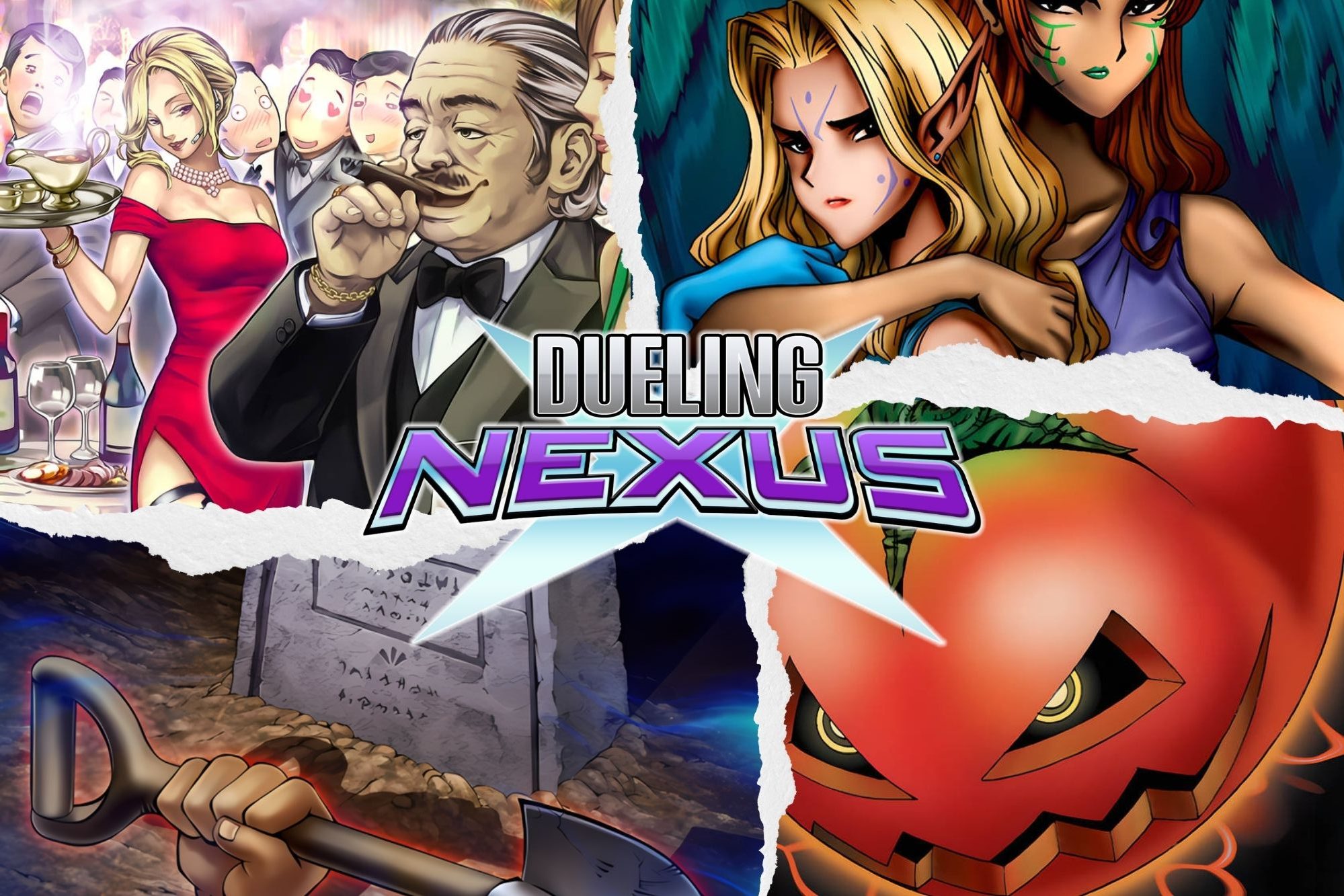
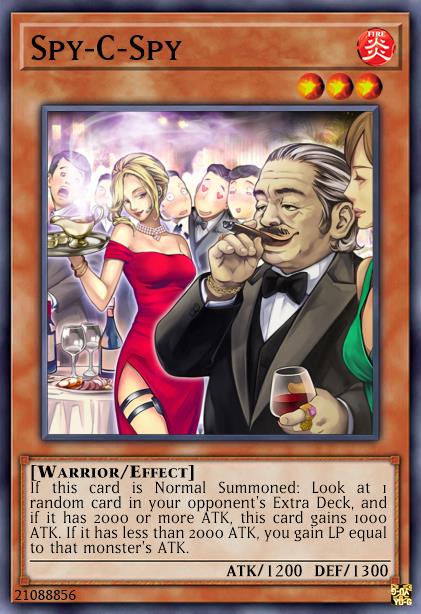
Western censors also remove or change any artwork that features alcohol or tobacco use. Cards like Tyrant’s Throes, Aquaactress Arowana, and famously Number 41 Bagooska the Terribly Tired Tapir were all censored in the worldwide TCG artwork for this reason. The most heavily censored Yu-Gi-Oh! card, however, is Spy-C-Spy. This card has several edits to the artwork including the removal of a glass of wine, a bottle of wine, replacing a bottle of wine with orange juice, altering the dresses of two different ladies, changing the eyes of a background character, and removing the cigar from one man’s hand and changing it to look like he is twirling his moustache with his fingers.
Religious & Occult Symbols
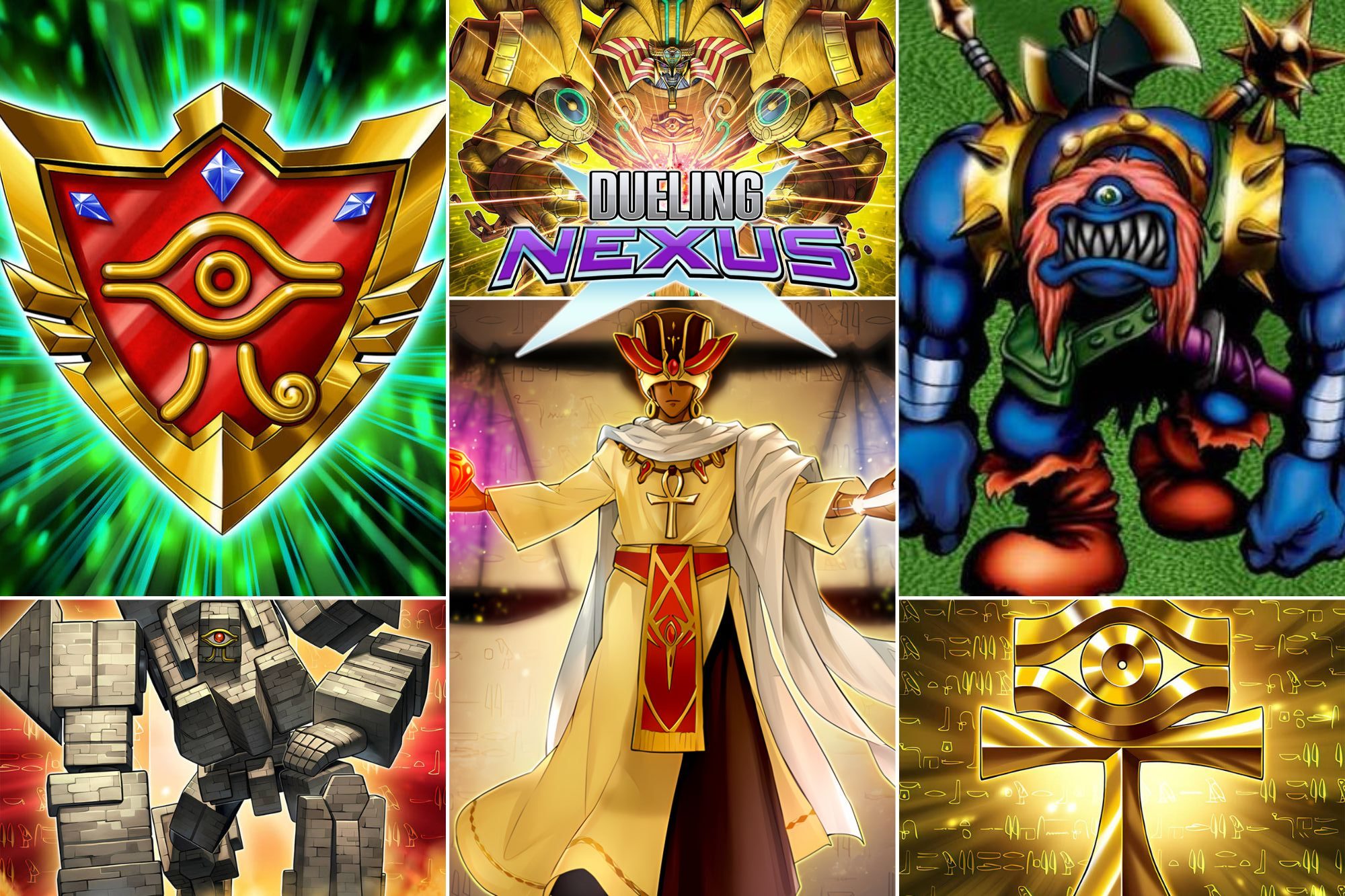
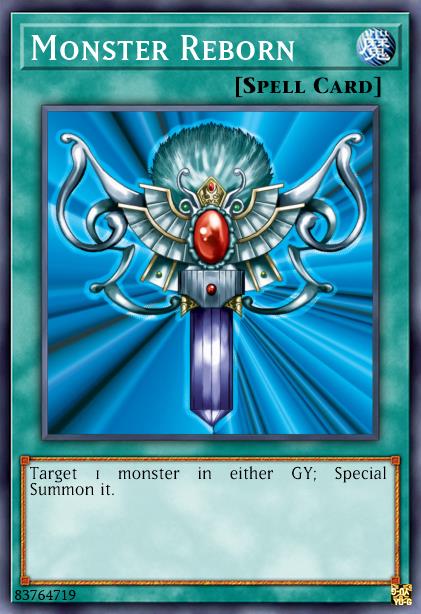
When it comes to religious and occult imagery, Yu-Gi-Oh! actually has quite a few instances of censorship, big and small. One of the most common symbols in Yu-Gi-Oh! to get censored is the ankh. The ankh is a religious and cultural symbol of ancient Egypt, a big part of the Yu-Gi-Oh! lore and story. However, the ankh is almost always censored in the card game. The most glaring instance is the card Monster Reborn. The original OCG artwork features a blue ankh on a background of shimmering light. In the worldwide TCG release, it was changed entirely to something altogether unfamiliar. Foolish Burial was similarly altered. The original artwork shows a cross-shaped tombstone which was then changed to more basic headstone shape to avoid the religious symbol.
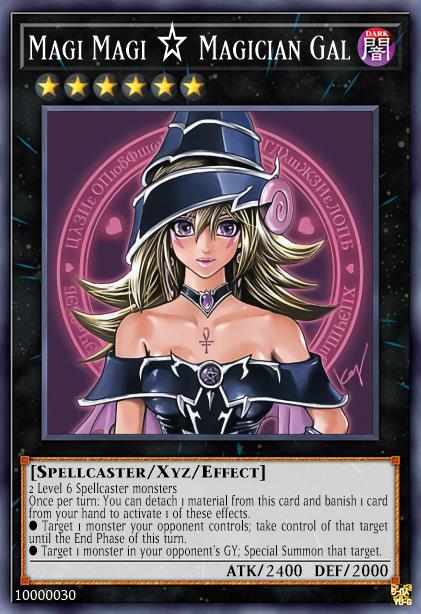
Other censored religious/occult icons in Yu-Gi-Oh! Are the hexagram and pentagram. A hexagram looks like the Jewish Star of David, an important religious symbol. And the pentagram, similar in appearance to a pentacle, has occult, demonic connotations in some cultures. These symbols are erased from western card artworks. Dark Magician Girl sports these symbols on the gemstone on her dress. In the TCG artwork, that symbol is glazed over to make it look just like any other glassy stone. Owner’s Seal and Black Magic Ritual are also examples of the pentagram being used. Other examples of this are the original artworks by Yu-Gi-Oh! creator Kazuki Takahashi for Magi Magi Magician Gal and his anniversary illustration of Dark Magician Girl. Both of these cards feature revealing clothes and occult symbols. Kazuki Takahashi refused to censor his work for western releases of the card, so these artworks were never published outside of Japan.
Yu-Gi-Oh! was also subject to leftover feelings from the “Satanic Panic” of the 1980s, when “demonic” imagery in entertainment was under intense scrutiny. As such, many cards featuring horns have also been censored to avoid any “Satanic” accusations. Examples include Dark Ruler Ha Des, Lesser Fiend, and the adorable Baby Tiragon. The original names of the “Archfiend” monsters in Japanese was actually “Daemon,” which was too similar to “Demon” in English.
Violence & Gore
Yu-Gi-Oh! artwork is mostly based in fantasy and sci-fi, featuring wizards, dragons, knights, and robots. But, sometimes firearms feature in some artwork. Firearms are considered too violent by western censors, so these images are changed to look more unrealistic, like changing the colour, or even replacing the guns with lasers. Gatling Dragon, Barrel Dragon, and Machina Defender are all examples of this.
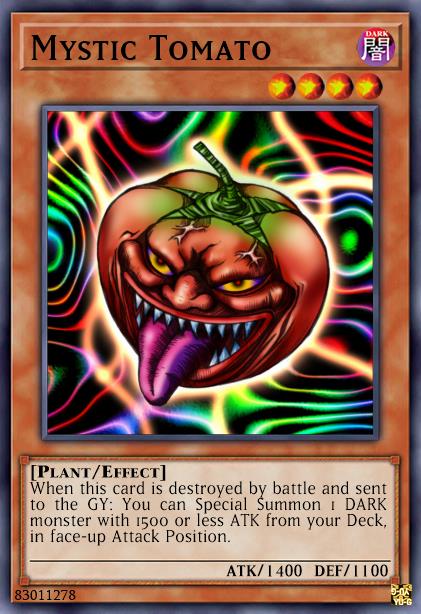
Some card artwork in Yu-Gi-Oh! is pretty creepy, but sometimes the censors deem artwork “too creepy” and pounce on a card. Some cards depict blood, torture, or graphic images, like Rigorous Reaver, Axe of Despair, Zombino, Wattcancel, Dramatic Rescue, and Overworked are examples of this. One of the strangest cases of censorship came in the total redesign of Mystic Tomato. The OCG artwork was a simple tomato that was carved like a jack-o-lantern. This was apparently too graphic for western audiences, so they changed it entirely to an even stranger, even scarier tomato with sharp teeth and a malformed human face. Somehow that was better?
Censorship in the Anime
The card game isn’t the only victim of censorship; the Yu-Gi-Oh! anime was censored quite heavily, too. One of the most iconic places in the Yu-Gi-Oh! Duel Monsters anime is the infamous and fearsome Shadow Realm. The Shadow Realm itself was essentially added to the anime as a way to censor character deaths or severe injuries. Because being trapped in an endless world of darkness and suffering is better than death itself? Another humorous example of censorship in the anime: “finger guns.” A few scenes in the anime have characters holding guns. Rather than rework the animation, censors simply removed the firearms, resulting in the characters pointing their empty hands at each other like children on a playground.
These are only a handful of examples of censorship in the car game and anime. Censorship in Yu-Gi-Oh! has calmed down quite a bit in recent years. Cultural norms and mindsets have changed a lot since the early 2000s. While some cards will still see censorship in the west, many themes that were once deemed inappropriate are now less provocative.