 by
by Yugi Moto is the protagonist of the original Yu-Gi-Oh! anime, but his deck wasn’t good. He is actually notorious amongst the community for how bad his deck is. So, Konami, those behinf the Yu-Gi-Oh! TCG, decided to make retrains, or new versions, of his old cards. The final result is the new Light and Darkness Ritual, LaDR, deck. LaDR is coming out in the new set, Chaos Origins (CORI). The deck is already out in the OCG and is seeing success.
Overview
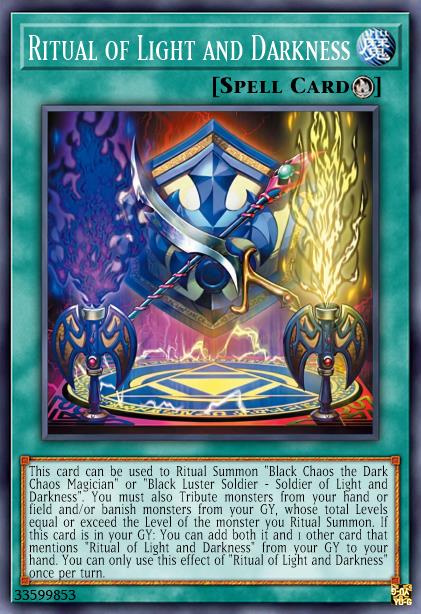
LaDR is a control deck revolving around Mind Shuffle to gain card advatage and use 1-for-1 trades to out grind the opponent. It does this with the help of cards such as Griffoh and Black Chaos the Ultimate Magical Swordsman to access Mind Shuffle, Mystical Celtic Sage and Skull Archfiend of Chaos to produce card advantage, and Black Chaos the Dark Chaos Magician and Black Luster Soldier – Soldier of Light and Darkness to interact with the opponent. All together, this forms a cohesive strategy with a clear gameplan and an easy way to execute it. It is also able to go second well because Griffoh gives the deck a Turn 0 play and the two ritual monsters are towers. This has positioned the deck to be a potent threat in the upcoming CORI format.
Important Cards
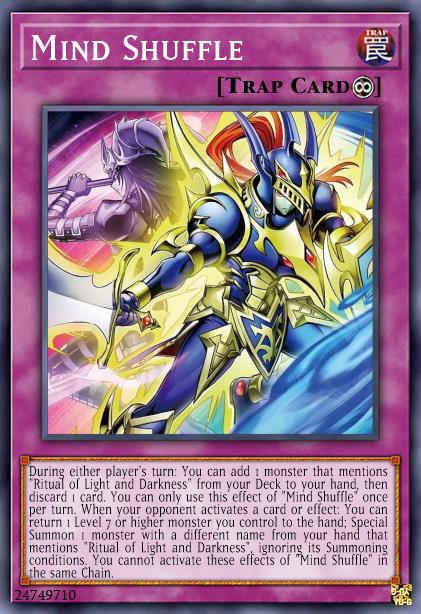
Mind Shuffle
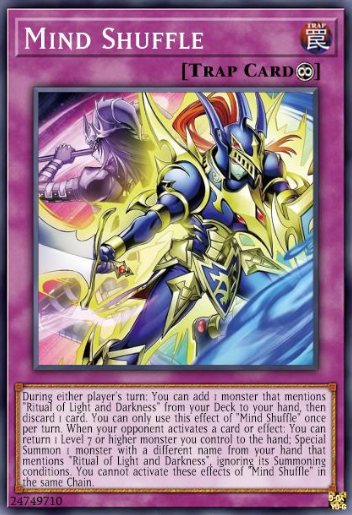
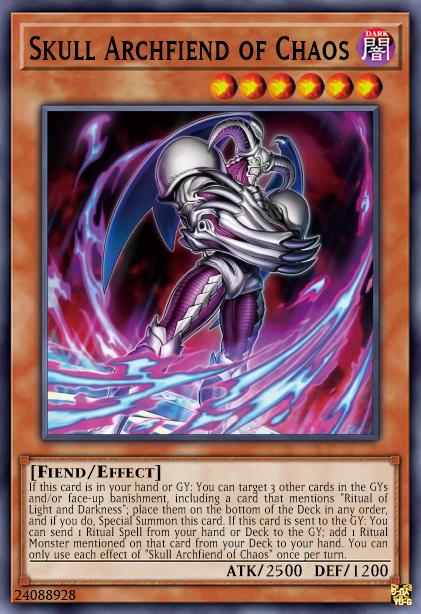
Mind Shuffle is by far the most important card in the deck because it is what allows the deck to work, and it is a continuous trap with two effects. The first effect allows you to add a monster that mentions “Light and Darkness Ritual” and then discard a card. Since every monster in your deck mentions the card, it allows you to add any card you want. The main search target on turn 1 is Skull Archfiend of Chaos because when it’s discarded, you get to send a copy of Light and Darkness Ritual to the GY and add one of your ritual monsters, which are crucial to the gameplan.
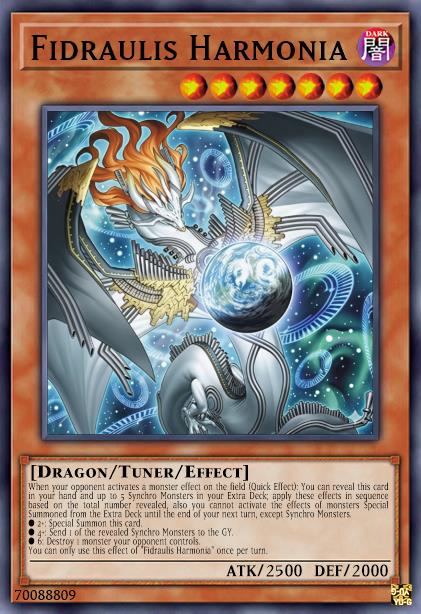
The second effect can only be activated in response to the activation of an opponent’s card or effect. When you activate this effect, you can bounce a Level 7 or higher monster you control and then summon a monster that mentions Light and Darkness Ritual. This is very important as both of your ritual monsters have on-summon effects: Dark Chaos Magician adds a spell from the GY and Black Luster Soldier banishes a card your opponent controls. It is through this effect that this deck interacts with the opponent. Furthermore, it can return Fydraulis Harmonia back to the hand so the same copy can be used twice.
Dark Chaos Magician and Black Luster Solider
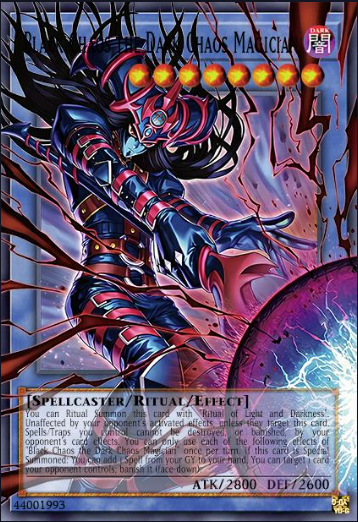
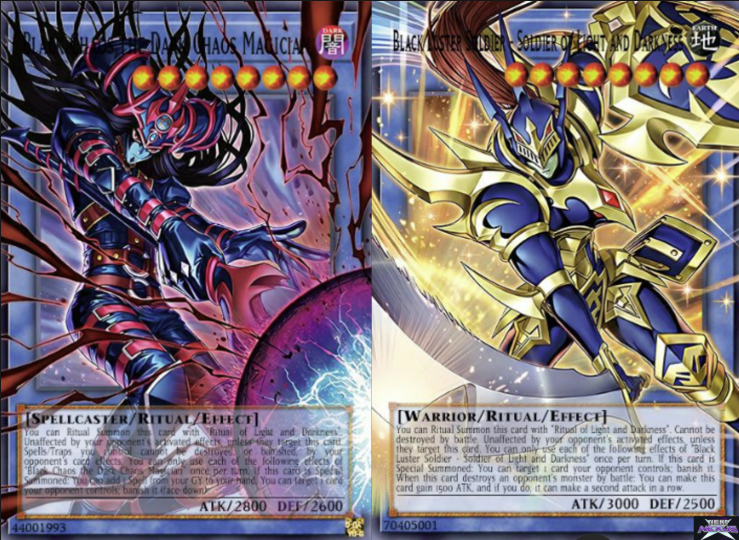
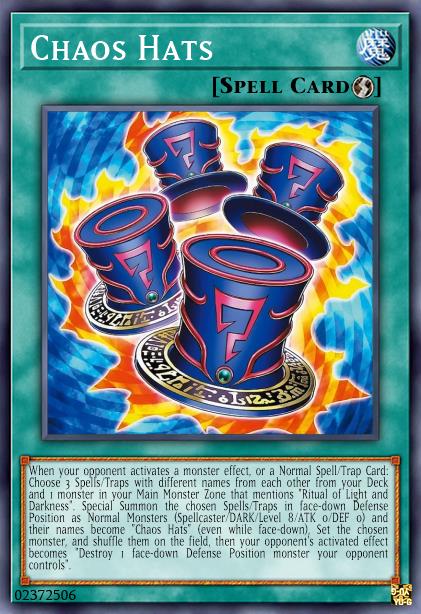
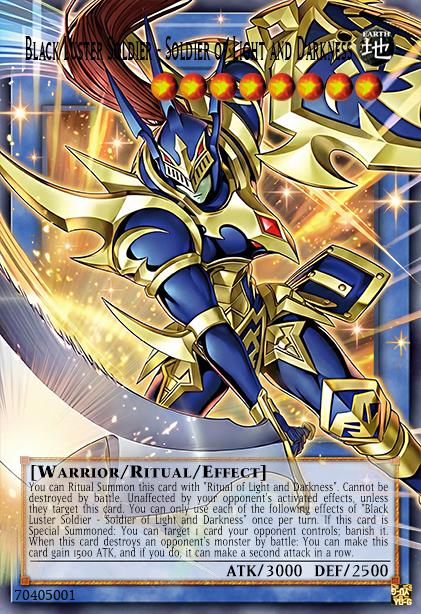
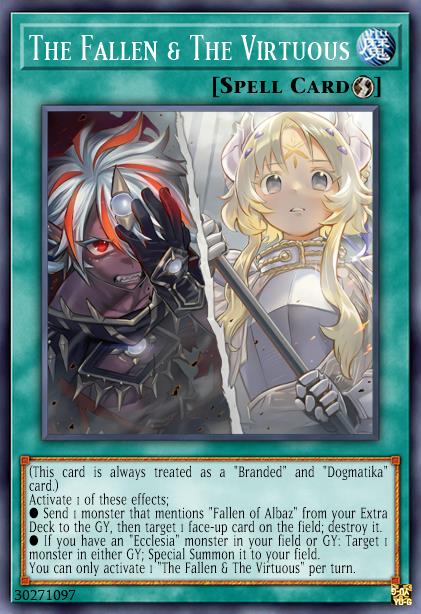
These cards will be given one section to share because they both serve a similar function in the deck. Both of these cards are the boss monsters of the deck and they are towers. Dark Chaos Magician is able to add back any spell from the GY on summon. This means that you are able to recycle cards such as Super Polymerization, The Fallen & The Virtuous, or even Chaos Magical Hats. This helps provide the card advantage the deck needs to be able to benefit from 1-for-1 trades. It has another effect to banish a card the opponent controls which helps when going second. Black Luster Soldier can banish a card your opponent control when its summoned. This interacts with the opponent in a way that is hard to recover from for many decks. Its second effect is that after it destroys a monster by battle it gains 1500 attack and can attack again which helps in going second or on turn 3.
Skull Archfiend of Chaos
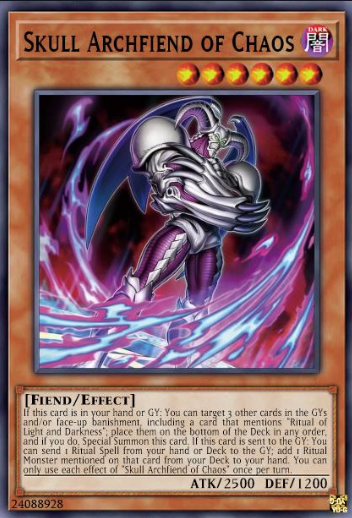
This card only has two effects, but both of them are very beneficial to the decks gameplan. The first effect is that if it is in the hand or GY you can place any 3 cards from the banishment or GY on the bottom of the deck and summon itself. This effect allows you to recycle cards that have been banished by an opponent’s card, Bystial Magnamhut, Called by the Grave, etc. or it can recycle a monster that you sent to the GY to activate Harmonia, Golden Cloud Beast – Malong, Enigmaster Packbit, etc. In providing this recycling, it also gives you a Level 6 Dark monster which can come up, for example, when making Chaos Angel. However, the second effect is far more impactful. The second effect activates when it is sent to the GY. It allows you send a ritual spell from your hand or deck to the GY and add a ritual monster mentioned on it. In this deck, you can send Light and Darkness Ritual and add any of your two rituals, depending on which you need. However, the utility doesn’t just end there. For example, it can be used in Fiendsmith Mitsurugi as a way to bridge the two engines by sending Mitsurugi Mirror to add Ame no Habakiri no Mitsurugi.
Pros
- Simple but effective gameplan
- Very versatile extra deck
- Many cards preform multiple functions
- The ritual monsters are towers
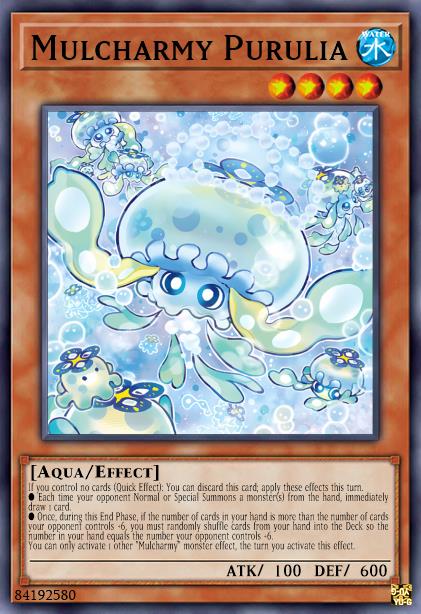
- You can ignore the Mulcharmy cards
Cons
- Mind Shuffle is a clear place to interact with the deck
- The deck is over reliant on one card
- Has a board that can be broken very easily by some decks
Sample Combo
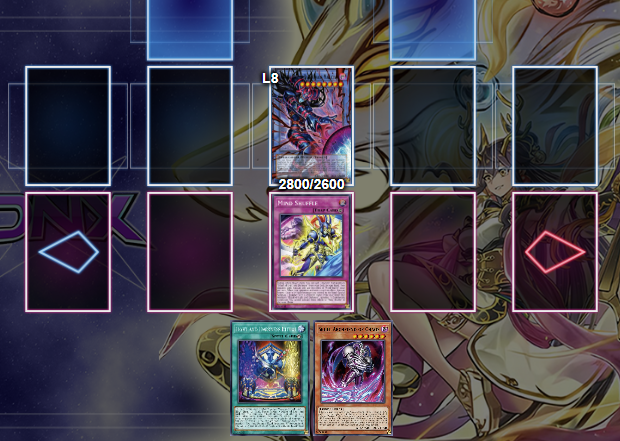
The deck’s main combo is very simple, and most of the skill comes from being able to use the interactions well. For this sample combo, you will only need one copy of Griffoh in your hand.
- Activate Griffoh to place Mind Shuffle from the deck
- Activate Mind Shuffle to add and discard Skull Archfiend
- Activate Skull Archfiend to send Light and Darkness Ritual to add Black Chaos
- Activate Light and Darkness Ritual to add back Skull Archfiend and itself
- Use Light and Darkness Ritual to ritual summon Black Chaos by banishing Griffoh as material
- Use Black Chaos to add back Light and Darkness Ritual
That’s the whole combo, it’s just six steps. During the opponent’s turn you can use Mind Shuffle to add whatever you want and then discard Skull Archfiend to add Black Luster Soldier.
Sample Decklist
Main [40]
[1]
 [11]
[11]
 [2]
[2]
 [26]
[26]
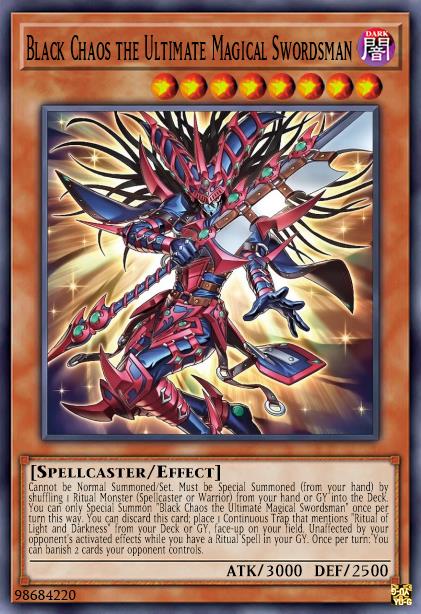
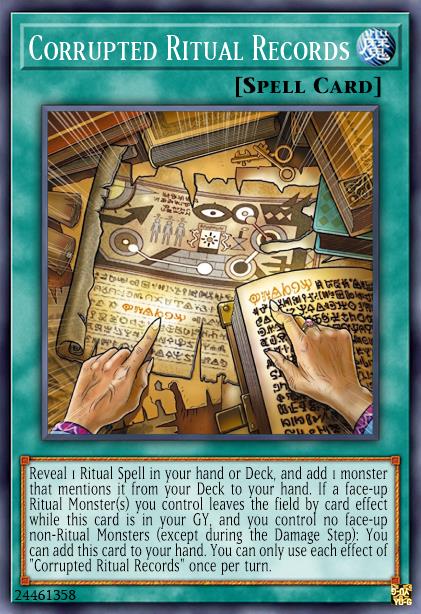

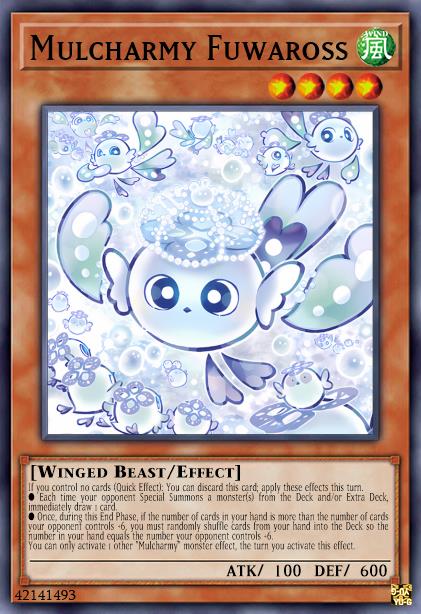
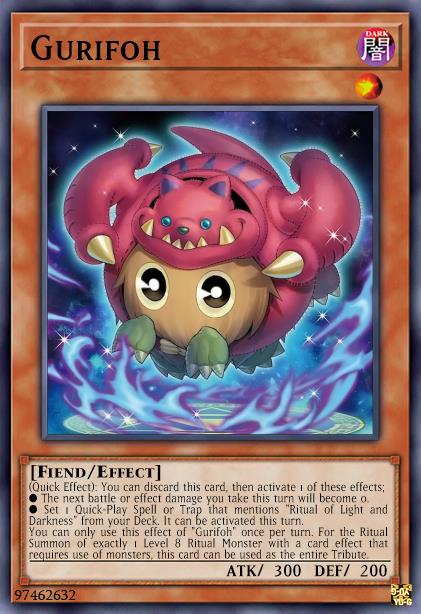
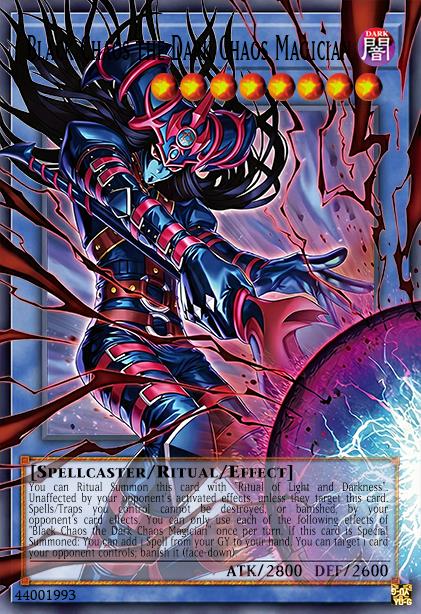
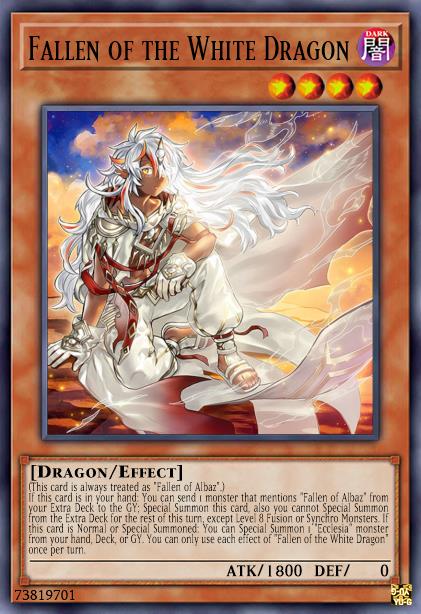
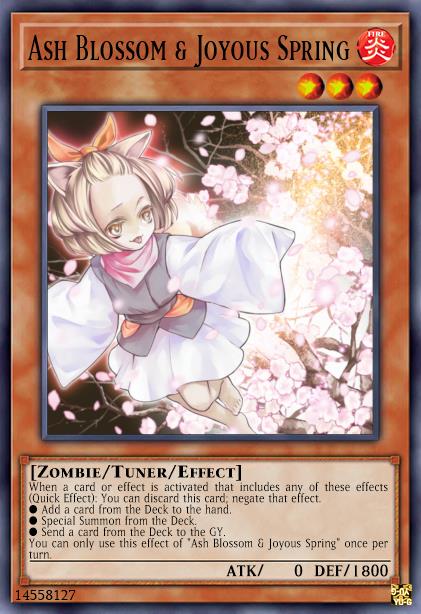
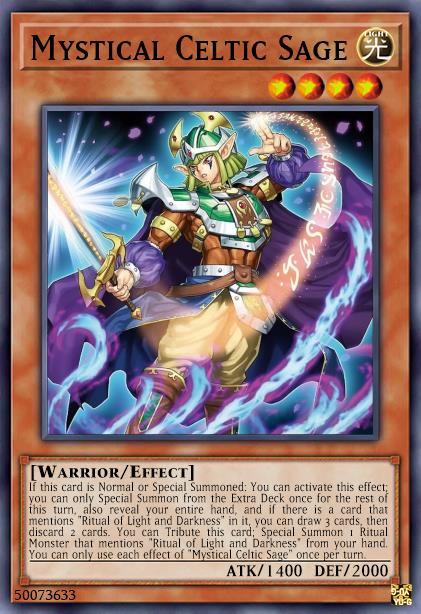
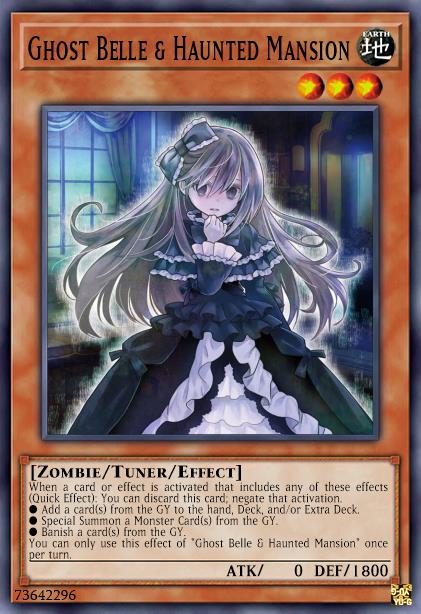
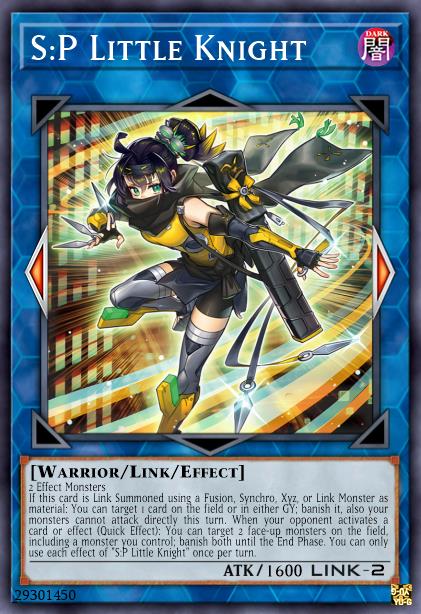
Extra [15]
[2]
 [8]
[8]
 [5]
[5]

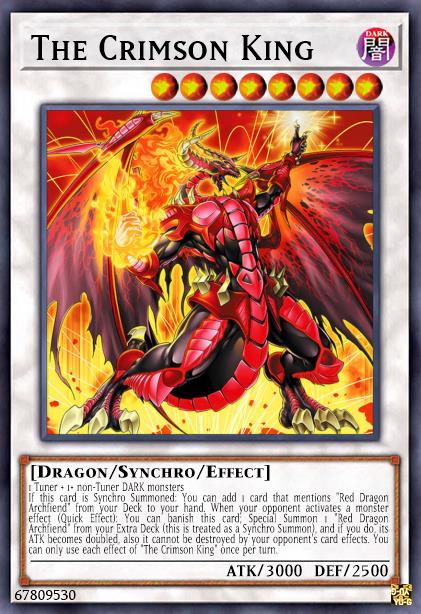
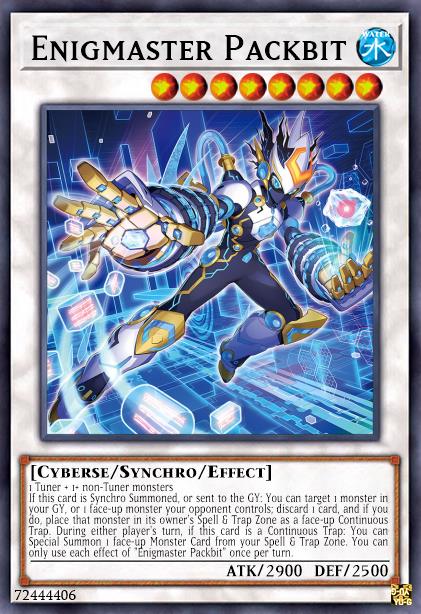
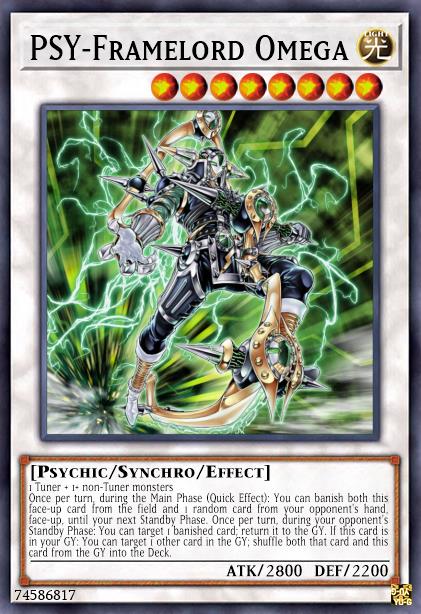
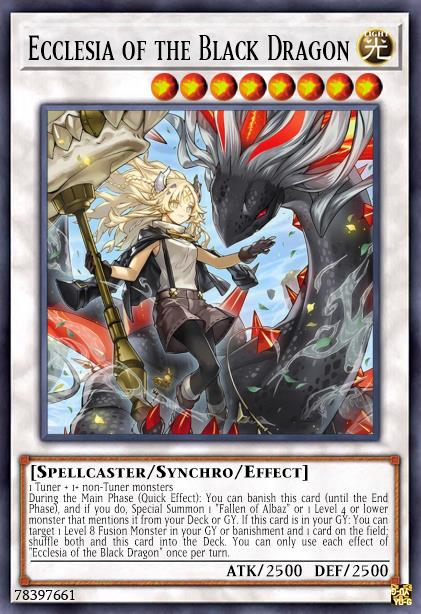
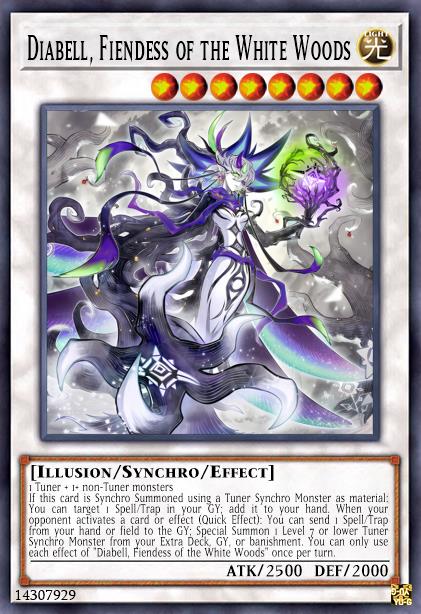
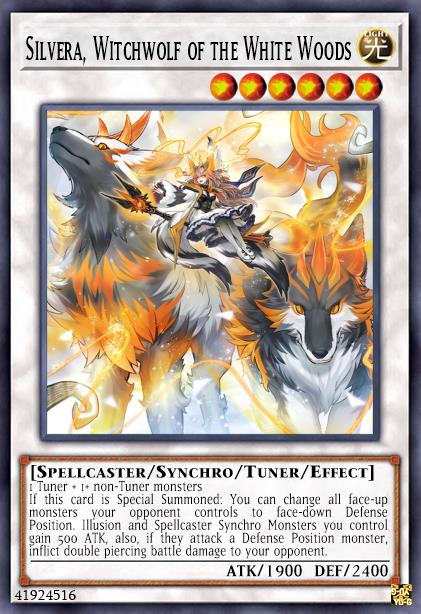
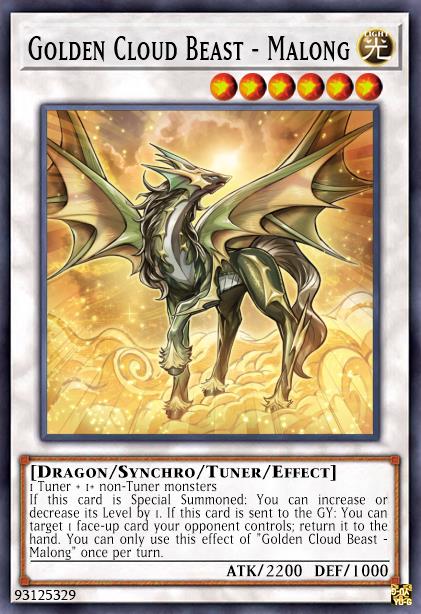
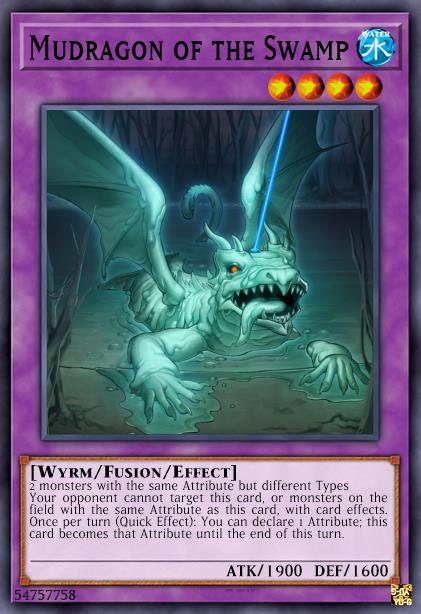
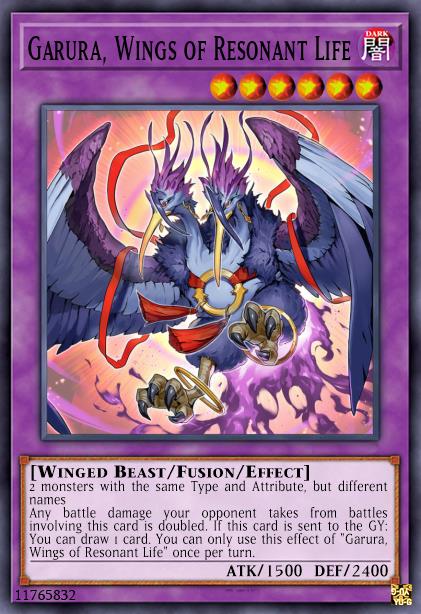
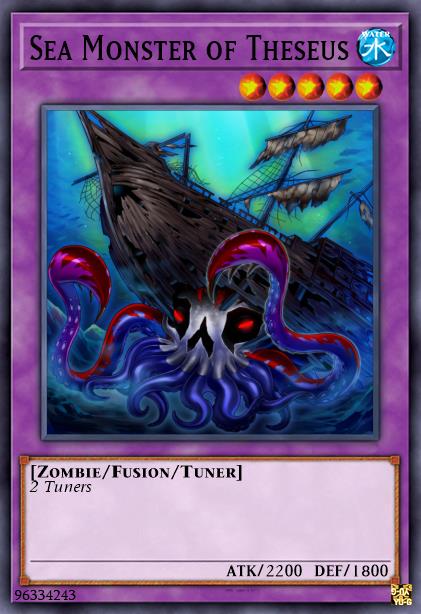
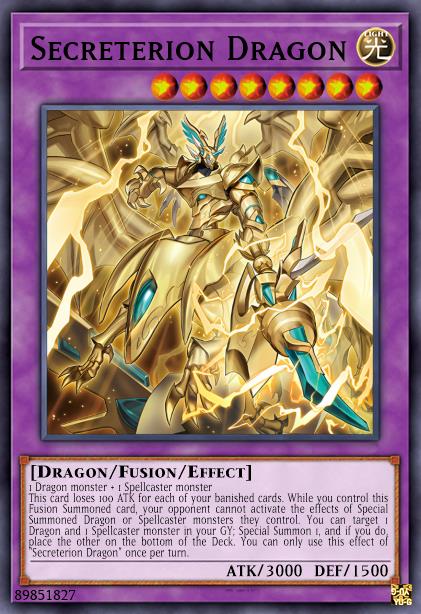
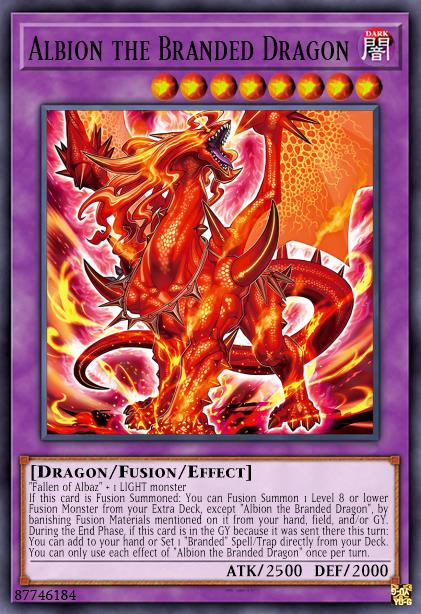
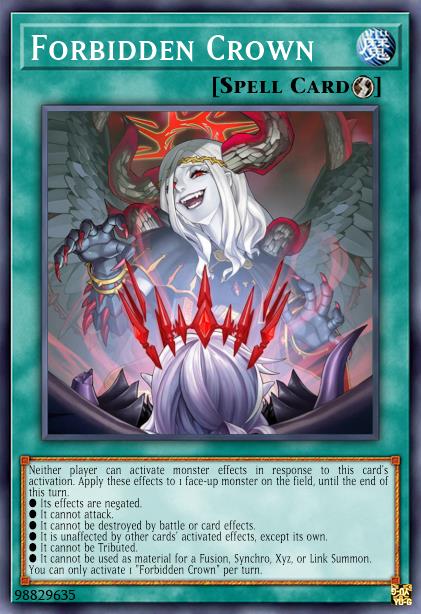
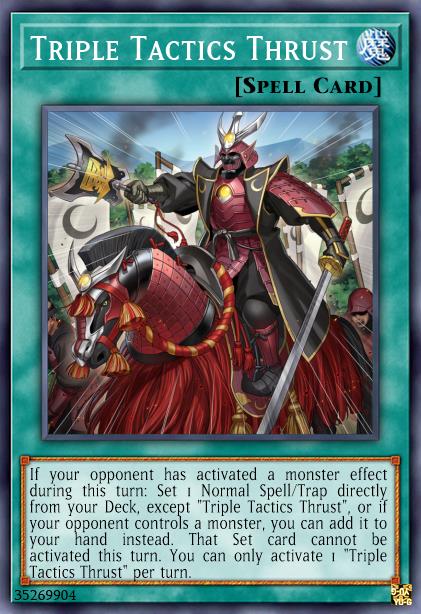
Side [15]
[9]
[6]
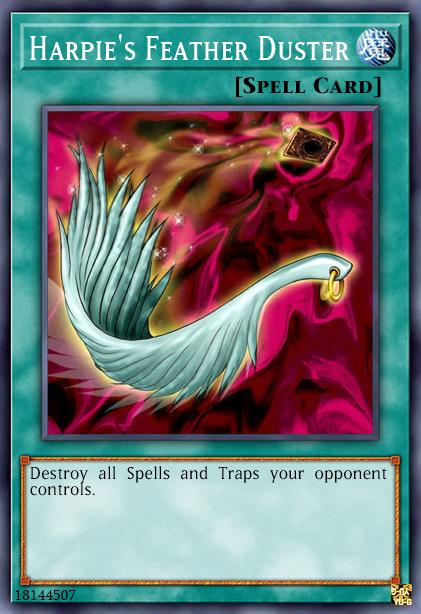
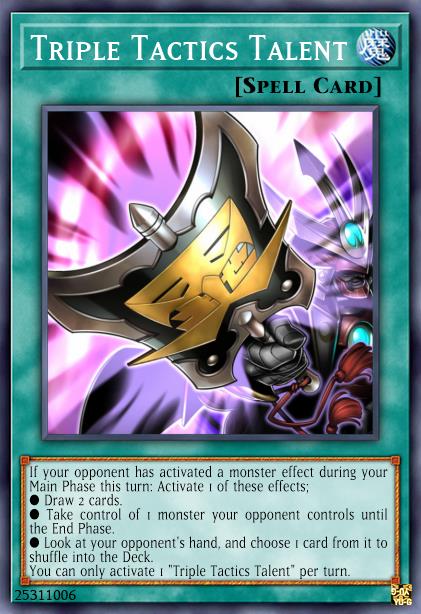
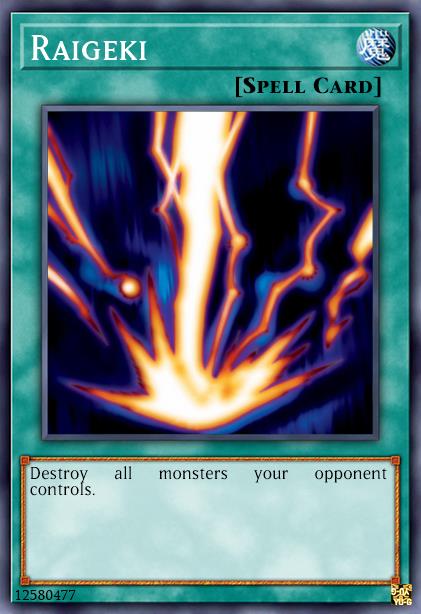
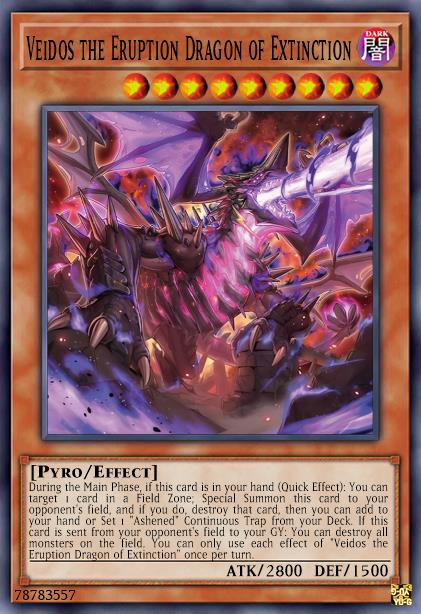


Alternate Options
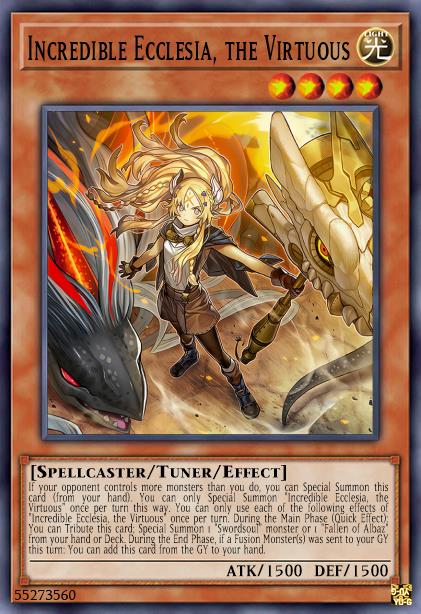
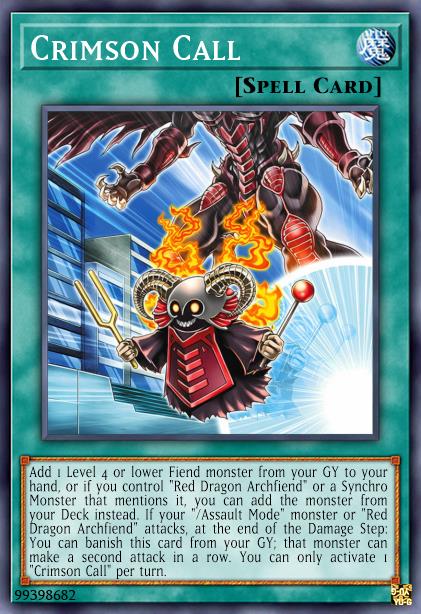
This decklist is playing the Fallen of the White Dragon dragon package because it provides more starters, more layers to the endboard, and helps going second. However, there are other additional engines that can be played if LaDR is the primary. For example a Red Dragon Archfiend engine can work in this deck because Soul Resonator can search Griffoh which lets you play the game. Another option that is available is an Azamina package.The Azamina package provides more ceiling to the end board by being able to make Azamina Ilia Silvia and Red-Eyes Dark Dragoon. In exchange, it forces you to discard cards and is weaker going second compared to the Fallen of White package.
LaDR can also be a secondary engine in some decks. For example, in Shaddoll, LaDR can help make El Shaddoll Winda on Turn 0, Black Chaos can recycle any spell, and the LaDR gives you an easy way to discard your Shaddoll monsters that may be in hand. Another deck that can benefit from LaDR is Tearlament. Tearlaments benefit from LaDR for the same reasons that Shaddolls do and Skull Archfiend can shuffle back important cards that may have been lost otherwise.
Conclusion
The upcoming CORI format is predicted to be full of FTK decks or decks that make a pseudo-FTK endboard. Power Patrons are summonign Amorphage Sloth and placing Amorphage Lechery in the pend scale, Kewl Tune is still looking at your extra deck and your hand, Zenna-no-Tsuinagihime lets any deck access any floodgate they want. All of these factors are making CORI look like a format that will struggle with creating interactive gameplay. Thankfully LaDR will be in the game, as a control deck, slowing down the game and creating interactive game states. Overall, LaDR will most likely be a top 5 deck in the CORI format, so it is worth looking into.