
 by in
by in
When it comes to modern Yugioh!, hand traps are a must when playing competitively. With effects that range from negating monster effects, to preventing players from drawing cards, Yugioh hand traps come in handy in all kinds of different situations. What is a hand trap, how do they work, and which ones should you use? Let’s go over a few examples of hand traps and how to use and when!
What is a hand trap?
A hand trap is any card that can be activated from the hand that disrupts your opponent’s play is some way. Hand traps can be Trap Cards but most hand traps are actually Monster Cards. These cards act like Trap Cards, but they do not have to be set and activated on the field. One of the earliest examples of a hand trap is the classic monster Kuriboh. Hand traps are very powerful cards that are used to interrupt and disrupt your opponent’s actions. Hand traps are one of the most difficult effects to work around. Most card effects can only occur on the Field, but since a hand trap is activated in the hand, there are few ways to negate them.
I like to separate hand traps into three different categories: Direct, Indirect, and Situational. Let’s break them down!
Direct
A “direct” hand trap is any hand trap that is activated in immediate response to an opponent’s action. These are usually action or effect negation cards. Cards like Ash Blossom & Joyous Spring, Ghost Belle & Haunted Mansion, and Skull Meister are all examples of a “direct” hand trap. These cards are activated when your opponent declares an action or would perform an action or activate an effect.
Indirect
“Indirect” hand traps are activated either before or after an opponent’s action. Examples of these kinds of hand traps are Mulcharmy Fuwalos, Droll & Lock Bird, Maxx “C”, and Dimension Shifter. These cards can be activated preemptively, like Fuwalos or Shifter to either prevent or dissuade your opponent from taking certain actions. Droll can be activated after your opponent adds a card to their hand, then prevents them from adding any more cards to their hand for the rest of the turn.
Situational
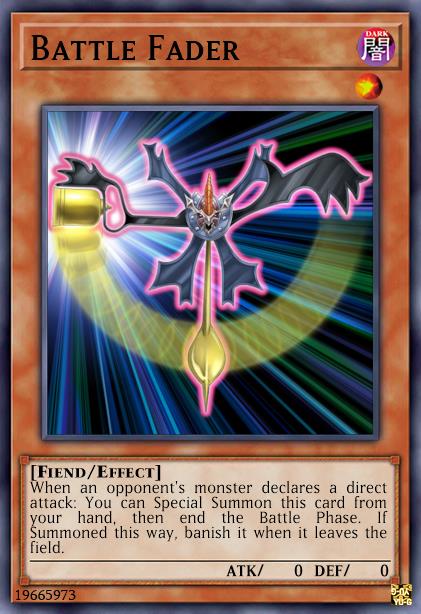
The final category of hand trap is “situational.” A “situational” hand trap is one that requires set-up or a particular set of parameters to be used. Examples of cards in this category are Honest, Effect Veiler, Battle Fader, Gemini Imps, and Nibiru, the Primal Being. These cards need to be used carefully and intentional. These kinds of hand traps can be useful and powerful, but only in specific settings. Some are easier to use than others, like Veiler, but others may or may not meet the requirements needed to use them in every duel, such as Gemini Imps or Nibiru. Sometimes these hand traps are better to keep in the Side Deck rather than the Main Deck.
When to use a hand trap
So, when is the best time to use a hand trap? Using hand traps relies on you knowing or predicting your opponent’s moves, cards, and strategy. If you have a card like Infinite Impermanence, you will want to be strategic in when you use it, and on which monster you use it. Understand your opponent’s monsters and combos. Use hand traps strategically to disrupt your opponent’s plans. Sometimes, your opponent will bait you into using a hand trap on one card so you don’t use it on another. As an example: Your opponent is playing a zombie deck that focuses on the Maze of Muertos Pumpking cards. Your opponent Normal Summons Gozuki and actives its effect to send one card from their Deck to the GY. You have one Ash Blossom & Joyous Spring in your hand. You active Ash to negate the activation of your opponent’s Gozuki effect. But, your opponent follows up with Ectoplasmic Fortification to add one Pumpking the King of Grave Ghosts from their Deck to their Hand, then begin their combo streak from there. In this particular case, your opponent baited your hand trap with Gozuki because their Ectoplasmic Fortification effect was more important to their strategy than Gozuki.
Playing agaisnt Hand Traps
Knowing how and when to use hand traps is important, but it is also important to know how to play against them, because you opponent will likely be using them, too. There are a few cards you can run to help play around your opponent’s hand traps. Two of the most notable are the Quick Play Spell Card Called by the Grave and Crossout Designator. You can activate these card on your turn in response to your opponent’s hand trap that goes to the GY, like Ash Blossom, to prevent it from functioning. Since most hand traps needs to be sent from the hand to the GY to activate, you can counter many hand traps by running cards that banish cards from the GY, like D.D. Crow, Dimension Shifter, and Dimensional Fissure. However, this can sometimes hamper your own play, unless your deck benefits from having banished cards. As mentioned above, you can also attempt to bait your opponent into using their hand traps on your less important cards or actions.
List of hand traps
Below is a list of hand traps commonly used in Yugioh! This is not an exhaustive list, but does contain some of the most common and widely-used hand traps.
- Ash Blossom & Joyous Spring
- Droll & Lock Bird
- Dimension Shifter
- D.D. Crow
- Skull Meister
- Effect Veiler
- Kuriboh
- Sphere Kuriboh
- Rainbow Kuriboh
- Gemini Imps
- Honest
- Dark Honest
- Nibiru, the Primal Entity
- Ghost Belle & Haunted Mansion
- Ghost Sister & Spooky Dogwood
- Ghost Mourner & Moonlit Chill
- Ghost Reaper & Winter Cherries
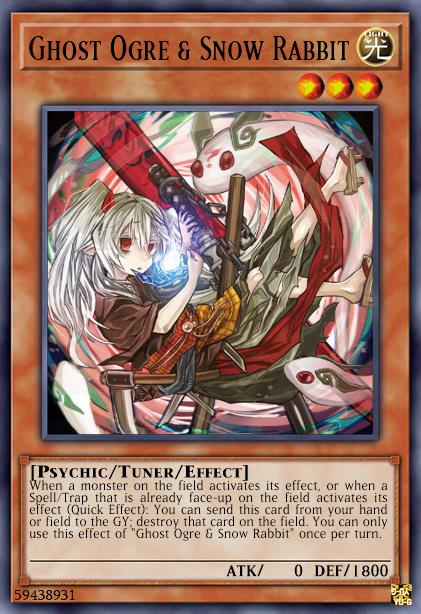
- Ghost Ogre & Snow Rabbit
- Flying “C”
- Retaliating “C”
- Maxx “C”
- Contact “C”
- Gnomaterial
- Bystial Baldrake
- Bystial Druiswurm
- Bystial Saronir
- Bystial Magnamhut
- Mulcharmy Fuwalos
- Mulcharmy Purulia
- Chaos Hunter
- Battle Fader
- Swift Scarecrow
- Artifact Lancea
- Gorz the Emissary of Darkness
- PSY-Framegear Delta
- PSY-Framegear Gamma
- Goddess of Sweet Revenge
- Lifeforce Harmonizer
- Tearlaments Kashitra
- Abominable Unchained Soul
- Gravekeeper’s Watcher
- Arcana Force XIV – Temperance
- Dominus Purge
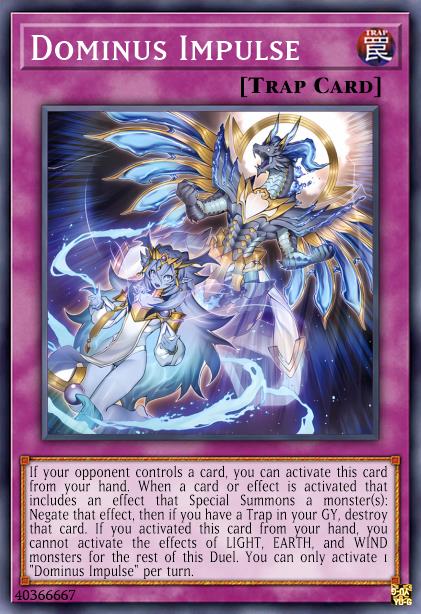
- Dominus Impulse
- Infinite Impermanence