 by in
by in
Ritual Summoning is one of the oldest mechanics in the game, and it has a rollercoaster history! From useless to decent to useless again to awesome and back, Yugioh Ritual Monsters have really seen the gambit of gameplay. Let’s explore this mechanic and its monsters more!
Ritual Summoning
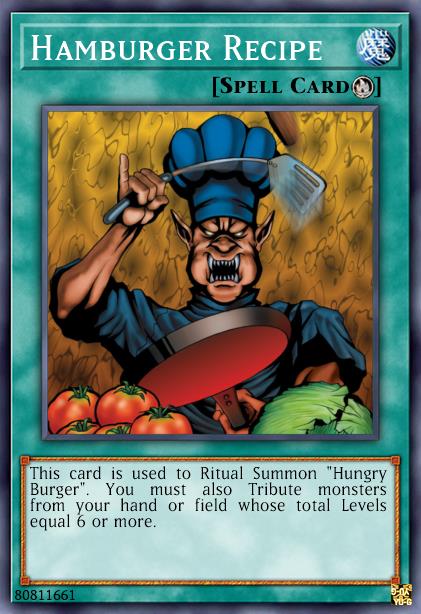
The way Ritual Summoning works is rather straightforward on the surface. You typically need three things: A Ritual Spell, a Ritual Monster, and a tribute for that monster. Kind of like Fusion Summoning with Polymerization. But, unlike Fusion Summoning, a Ritual Summon requires a specific Ritual Spell and Ritual Monsters go in the Main Deck, not the Extra Deck. This means you need the Ritual Monster in your Hand to summon it. As an example… you can Ritual Summon Crab Turtle by activating Turtle Oath and also tributing any number of monsters whose Levels add up to 8 or more.
You will notice, “ritual” is a type of Spell Card, like Field, Continuous, or Quick-Play. In many situations, you have to use a specific Ritual Spell Card to Summon a Specific Ritual Monster, it is not generic like Polymerization. However, as Ritual Summoning has evolved over time, so too have Ritual Summoning methods. There are a handful of generic Ritual Spells, like Sprite’s Blessing and Earth Chant that can be useful. But, more often, Ritual archetypes have their own unique Ritual Spells that work with any of their Ritual Monsters, like Machine Angel Ritual or Revendread Origin.
Pros & Cons of Ritual Monsters
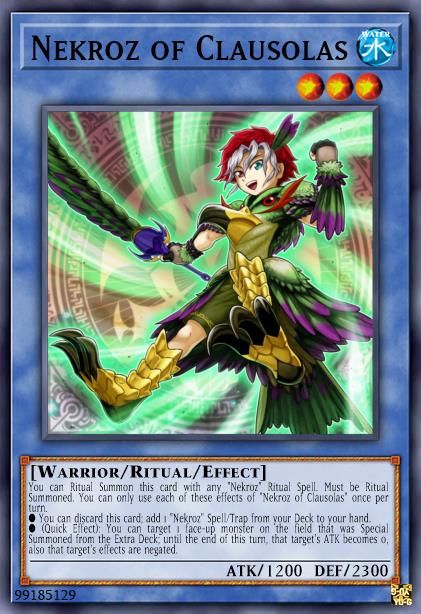
When it comes to Ritual Monsters and Ritual Summoning, there are pros and cons to using them. When they first came out, they were interesting, but offered little value. Many times, Ritual Monsters were non-effect monsters that were often not as good as just using a vanilla Normal Monster. Since you had to have the Ritual Monster and the Ritual Spell both in your Hand to even do anything with it, both the monsters and the spells often just became useless bricks. But, that changed over time.
There were not really any Ritual archetypes in early Yugioh!, just one-off monsters here and there. Many of the Ritual Monsters didn’t even have effects. But, as time went one, more and more Ritual Monsters were released, and even full-on Ritual-dedicated archetypes were released with new summoning mechanics and perks
Some of the cons of Ritual Monsters is their summoning mechanic. They often becomes bricks in the Hand if you don’t draw into what you need. They can be slow and sometimes have very little protection. They also don’t always work very well in decks other than their own archetype. But, as a pro, Ritual Monsters can be very powerful and have strong effects or uses, like Herald of Ultimateness or Nekroz of Brionac. There are also many Ritual support cards out there, like Manju of the Ten Thousand Hands or Pre-Preparation of Rites.
Ritual Archetypes
As mentioned above, there were very few Ritual-focused archetypes in the early days of Yugioh! But, that has certainly changed. Over the years there have been tons of Ritual cards published. Some of the most popular Rital archetypes include Nekroz, Dryton, Vendread, Cyber Angel, Voiceless Voice, Gishki, Ritual of Light and Darkness, Relinquished, Black Luster Soldier, Prediction Princess, Megalith, Mitsurugi, and even more recent archetypes like Zennet!
Give Ritual Summoning a try!